

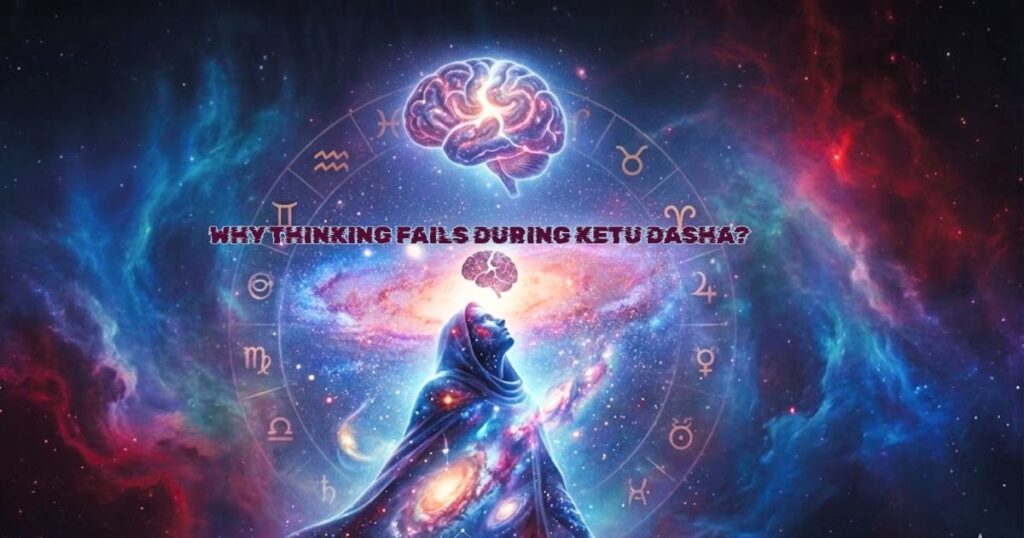
In Vedic astrology, Rahu and Ketu are shadow planets or the Lunar Nodes. Rahu is also called the North Node or the Dragon’s Head, while Ketu is called the South Node or the Dragon’s Tail. Though not real planets, both have a great influence on the human mind.
So, Ketu is the ‘headless’ planet. Thus, it does not have the eyes to see nor the brain to process logical reasoning.
One of the most common experiences during a Ketu period is confusion. This confusion is not without a reason. It forces a person to question long-held conventions. One of the most common experiences during a Ketu period is confusion. This confusion is not without purpose. It forces a person to question long-held assumptions.
THE ‘HEADLESS’ KETU
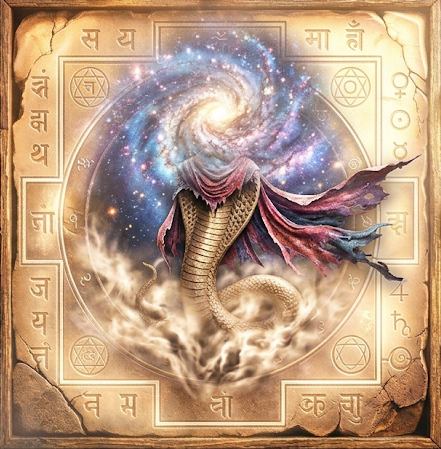
Ketu is symbolized as a headless serpent – acts without thinking or planning. Because it lacks a head, its influence is internal and intuitive, and it often circumvents the logical mind. Its dasha increases mental fog, creating confusion, illusions, scattered thoughts, and a sense of being lost. Ketu is beyond logic and rational thinking; instead, it relies on intuition. That is exactly what it does: it shifts the focus from logical thinking to intuitive abilities.
All these reduce mental concentration, creating doubts and causing one to question their beliefs and decisions.
KETU, THE ‘KARMIC’ PLANET:
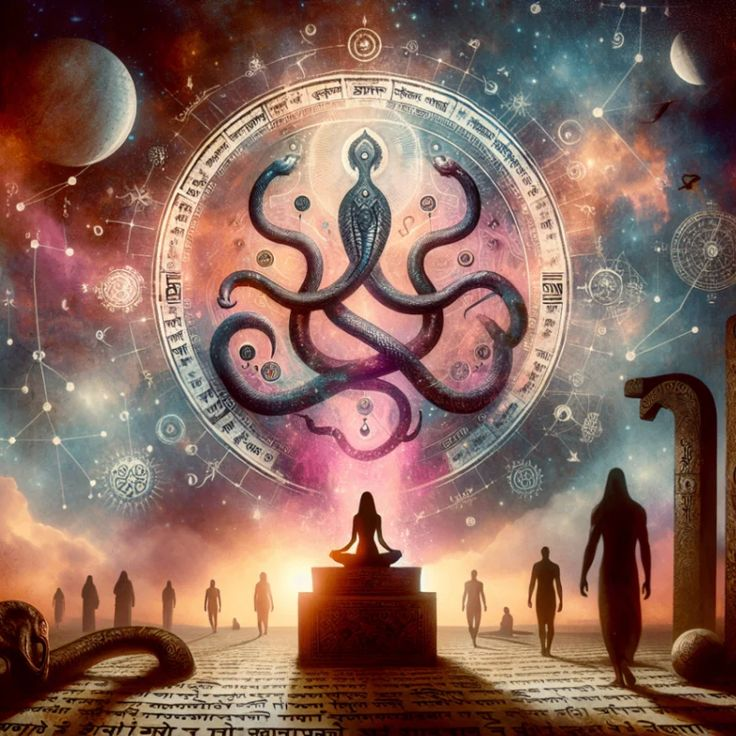
Ketu represents unresolved past-life karma. It carries the weight of the past. During its periods, it activates deep memories in the subconscious mind, bringing past life karma and wisdom to the surface. Because of that, the present life can feel confusing. The soul keeps looking back, while life asks it to move forward and learn something new. Ketu pushes you through confusion towards consciousness.
THE ‘MOKSH KARAK’ KETU:
Don’t forget Ketu is the Moksha Karak graha – the planet of liberation. It gives detachment. During its Dasha, the detachment nurtured by it reduces interest in materialistic goals and strategic planning. It doesn’t support the normal linear pattern of thinking or reasoning. It detaches individuals from materialistic goals and linear thinking, fostering isolation and a sense of void or loss of purpose, prompting them to let go of old beliefs, thoughts, and attachments. The confusion experienced during this time serves as a detoxification process, breaking down illusions and fostering spiritual growth and liberation (moksha).
THE DEEPER PURPOSE OF KETU PERIODS:
The real purpose of a Ketu period is to make a person realize that life cannot always be understood through logic or intellect alone. Ketu brings sudden changes, unforeseen turns, and moments that clear away illusion. Many of the beliefs and ideas you once held strongly may suddenly begin to feel uncertain. Old identities, thought patterns, and emotional habits begin to fall away. Things that once defined you may no longer feel relevant. This process can bring anxiety, restlessness, and a changed perception of reality, as buried thoughts from the subconscious rise to the surface.
During this time, a person often stops looking for validation from others. There is less interest in following the crowd and more inclination to question everything. Thoughts that once felt perfectly truthful may suddenly collapse when faced with the stark reality that Ketu brings. Through this procedure, Ketu teaches an important lesson: the ability to let go, not just of possessions, but also of rigid beliefs and fixed viewpoints.

Ketu Dasha periods often shake one up and wake him up to deeper truths about life. Gradually, it transforms the way one thinks, what one believes, and even the goals one has in life. This period quietly pushes the soul toward a higher purpose and ultimately toward spiritual liberation.
HOW TO COPE WITH KETU DASHA CONFUSION:
The very first step is to ACCEPT that logical thinking will be clouded during the Ketu periods. Stop thinking WHY? The more you think, the more you analyse, the more confusing it gets. And again, you end up feeling more LOST. Acceptance makes it easy for you to tackle this phase. You have to understand that this is not the time for rational thinking. Utilize this period to develop your intuitive skills and trust your inner voice to lead the way.
Do not overanalyze your decisions; do not think too much about the future, and do not resist changes. Focus on the NOW and move ahead, taking small, deliberate steps forward.
Consider that the Ketu periods are the ideal times to reflect on what truly matters and allow yourself to release outdated thoughts and patterns. Use this time to introspect and uncover hidden truths by exploring your subconscious mind.
Ketu periods are detoxification times. Spend some time in and with nature, engage in spiritual practices such as yoga, meditation, and practice grounding exercises. All this will help you move from confusion towards clarity and, probably, a newer and upgraded version of yourself.

Frequently Asked Questions about Ketu Dasha
Why does thinking fail during Ketu Dasha?
Ketu creates detachment and confusion, which clouds judgment and reduces logical thinking ability and clear thinking.
Does this Dasha cause mental confusion?
Yes, it often brings mental fog, overthinking, and a lack of clarity in decisions.
Why do I feel lost during this Dasha?
Ketu disconnects you from material attractions and goals, making you feel uncertain or directionless.
Can Ketu Dasha affect focus and concentration?
Yes, distraction, poor focus, and scattered thoughts are common during this period.
Is overthinking common during these periods?
Overthinking and inner restlessness are common, as Ketu pushes the mind inward and creates doubt.
How long does Ketu Dasha last?
Ketu Mahadasha lasts for 7 years, and its mental effects can vary based on chart placement.
Does this Dasha always give negative results?
No, it can also lead to spiritual growth, self-realization, and inner clarity over time.
What happens after Ketu Dasha ends?
Many people experience relief, stability, and better clarity once the period ends.