

GANESHA CHATURTHI: CELEBRATE IT IN THE ASTROLOGY WAY

Ganapati, the beloved elephant-headed deity, brings joy and blessings to countless devotees across India. In this blog, we will explore the unique ways you can celebrate Ganapati according to your zodiac signs, incorporating specific colors, mantras, and customs. Whether you’re an astrology enthusiast or simply seeking a deeper spiritual connection, join us on a journey through the celestial realms to celebrate Ganapati like never before. GANESHA CHATURTHI 2025 Date: Wednesday, August 27, 2025 Madhyahna Ganesha Puja Muhurat: 11:05 AM to 01:39 PM Chaturthi Tithi Begins: 01:54 PM on Aug 26, 2025 Chaturthi Tithi Ends: 03:44 PM on Aug 27, 2025 Ganesha Visarjan: Saturday, September 6, 2025 Ganapati Bappa is ready to visit your homes. This year, gain additional auspiciousness by celebrating and decorating your homes/offices according to your astrological signs (rashis). Ganesha idols come in many colours and are decorated with various offerings. Given ahead are the recommended colours of the Ganesha idol and decoration, offerings and donations to be made, and mantras to be recited (at least 108 times daily). ARIES: Idol: Vermilion red, Yellow or a combination of both. Decorations: Red, orange, yellow. Red and gold jewellery. Offerings: 11 Durva grass moistened with turmeric water. Offer nose rings as gifts to female family members. Donate: Dates, jaggery, money, green moong dal. Mantra: “GAM” or “Aum Vakratundaaye Namaha” Idol: Silver White, Pink Decorations: White flowers, silk clothes with zari works. Offerings: 9 Durva grass, Green clothes, Coconut Laddoos, silver ornaments. Donate Ghee, Candy sugar (Mishri), Mantra: “GLUM” or “Aum Ekdantaaye Namah”. Idol: Green, Blue, Light Yellow Decorations: Garlands made of Green Durva grass, and green drapes. Offerings: 11 Cowries (कौड़ी), Betel (पान), Betelnut (सुपारी), Cloves (लौंग), green clothes & fruits. Donate: Laddoos made of black gram (उड़द दाल), green Mantra: “Aum Krishna Pingaakshaaye Namah”. Idol: White, Cream Decorations: Pearls, White flowers. Offerings: Shwetark, Panchamrit, Modak, White Sandalwood Donate: Kheer to poor young girls. Mantra: “Aum Gajavakraaye Namah”. Idol: Red Ochre (गेरू लाल), Orange, Royal Purple Decorations: 108 Durva grass with Kumkum/Sindoor, Red flowers Offerings: Modak made of Jaggery, red-coloured fruits Donate: Black lentils (उड़द दाल), mustard oil. Mantra: “Aum Lambodaraaye Namah”. VIRGO: Idol: Green, Blue, White Decorations: 108 grains of green gram (मूंग दाल), 21 Durva grass Offerings: Green coloured fruits, Moong dal laddoos. Donate: Jaggery, Raisins (किशमिश) Mantra: “Aum Vikataaye Namah”. Idol: Silver White, Light Blue Decorations: 125 gms Durva grass, 1250 gms Besan Laddoos, Sugar Candy (मिश्री) Offerings: Bathe idol with Ganga jal; offer 5 coconuts Donate: Laddoos, Bananas Mantra: “Aum Vighnaraajaaye Namah”. SCORPIO: Idol: White, Red, Yellow, Orange Decorations: 108 grains of unbroken rice smeared with kumkum. Offerings: Sindoor, red flowers. Donate: Green grass fodder for cow/goat, laddoos made of jaggery and dates. Mantra: “Aum Dhūmra Varṇaaye Namah”. Idol: Orange, Dark Yellow Decorations: 108 Durva grass, 5 knots of turmeric (हल्दी की गाँठ) Offerings: Yellow clothes and flowers, modak, bananas. Donate: Bundi laddoos Mantra: “Aum Bhaala Chandraaye Namah”. Idol: Blue, Brown, Purple Decorations: Durva grass, Black Til, Scented flowers Offerings: Betel leaf (पान), Betelnut (सुपारी), Cloves (लौंग),Cardamom (इलायची) Donate: Modak, Jaggery, Raisins (किशमिश) Mantra: “Aum Vinaayakaaye Namah”. Idol: Sky Blue, Purple, Bright colours Decorations: White and Lavender flowers, Tilak of Sindoor and Turmeric Offerings: Panchamrit, Jaggery Laddoos Donate: Khichdi, Bananas Mantra: “Aum Gajapataaye Namah”. Idol: Yellow, Orange, Pink Decorations: Make garlands of Yellow flowers and Durva grass using yellow coloured thread. Offerings: Turmeric Root (हल्दी की जड़), Saffron (केसर), Besan laddoos Donate: Sweet juicy fruits, Kheer Mantra: “Aum Gajaanan naaye Namah”. To read about DIFFERENT FORMS OF GANESHA, Click HERE.
KNOW WHAT DOES PALMISTRY SAY ABOUT YOUR HEALTH?
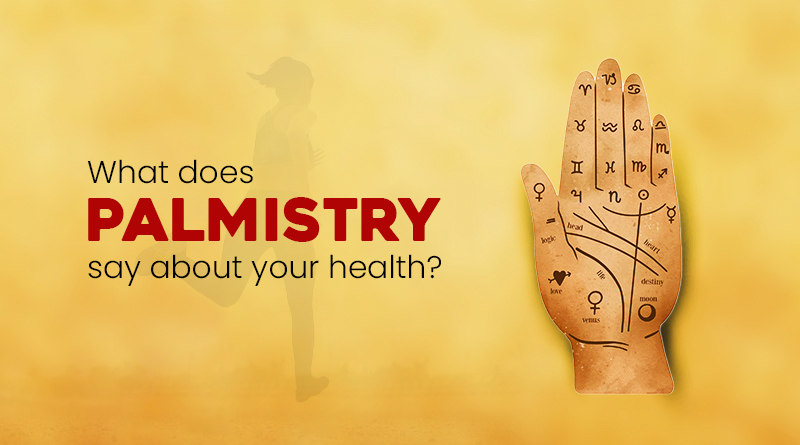
Author Bio: Celebrity Astrologer Chirag Daruwalla is the son of famous astrologer Bejan Daruwalla. He is famous for his detailed astrological predictions on career, health, love, finance, and business. You can visit their website: bejandaruwalla.com What does palmistry say about your health? Palmistry has a very deep connection to Astrology. According to Palmistry, the lines of the hand tell the future, health, and progress of a person. The mountains of the palms give information about the nature and future of the person. Whereas the lines reveal the future and health of the person. THE FATE LINE Every person’s palm is different. In the same way, their future is also written differently. According to palmistry, the fate line turns towards the index finger. Such a person attains a high position or prestige. They achieve success in their job. Also, such persons are interested in worship. The fate line is very important in palmistry. By which the successes and failures of a person’s job, business, and life are known. According to palmistry, the line starting from the middle of the wrist going upwards is called the fate line. This line ends below the ring finger. According to experts, the fate line of many people is strong in hand and goes right up to the ring finger. THE HEALTH LINE The Health line starts at the base of the hand near the Line of Fate. It runs upward till the mount of Mercury. Besides, it represents the health and disease of the personal. It is an indicator, especially of the state of the digestive apparatus, and the operation of the liver. Besides, it also reveals the various maladies which may arise from the impairment of the essential functions of these organs. The Health line or Mercury line also called a line of the liver represents a person’s overall state of health. It usually starts on the Mount of Moon and runs upward towards the Mountain of Mercury. This line mainly specifies the state of the liver and alimentary system. When the health line does not exist on the hand, the individual is quite muscular and rarely suffers health issues. The best kind of line is a clear, sharp line because it indicates someone with a good constitution. Whenever the line appears red, inflamed, or otherwise discoloured, it can suggest that there may be a temporary inflammation present and the body is trying to fight it. Always look at the colour of the nails and skin. Also look for anything abnormal like dry skin, warts, or patches of grille lines. PALMISTRY LINES OR PALM READING SCIENCE: Health is considered to be the greatest wealth of life for a person. Healthy people are successful in achieving their goals on the strength of their determination and hard work. According to palmistry, the fate line in the hand of a person, like a lifeline, there is also a health-related line. The future in the lines of your hands determines the good health of a person. It not only reflects your happiness and prosperity but also your health. If the health lines are clear and deep and without any installation, then it is better for your health. Know in detail about the health line: 1. If the health line looks like a chain, it is not a good sign. You can be patient with stomach problems, liver problems, and miss other stomach problems. 2. If your health line is in the shape of an island then you may be a lung patient. 3. If the Healthline has a square shape at the end, you may be suffering from asthma. 4. If the health line appears in different colours, then this may be a sign of paralysis. 5. If your health line crosses the heart line then you may have to face the problem of epilepsy. 6. With the help of your health line, you can know the future of your health. If you do not have a health line in your hands then it is good for you. You will be liberated from any kind of disease. 7. If your health line is very clear and long, you like to live forever. Happily, your mind is very efficient, and your interest is in business. If your health line touches anywhere on your life line, it is very bad for you. You may fall prey to some serious disease, and it can steal your life too. We have many more lines in our hands. If your health line is not good, you will be very lazy and unproductive. CONCLUSION It is a miracle to tell something about someone by just looking at the hand. Palmistry is a science that solves every problem; Not only this, but it also tells a lot about your health. It is also elementary to learn this knowledge and in today’s modern era when the awareness of health is increasing. There are many palmistry Astrologers in India whom you can learn about it. Palmistry will give you a solution to your every disease and it can cure your every disease. A palmist will tell you some things or ask you to wear some stones, and this remedy is very beneficial.
BEST VASTU TIPS FOR SUCCESS IN EXAMS

Students work hard day and night to get good marks. But many times, they do not get success despite their efforts. the surrounding environment and energies too play a vital role in studying with concentration and focus. The reason behind this could be faulty Vastu.
ALL YOU WANTED TO KNOW ABOUT MAKARA SANKRANTI

Meaning & Significance: Makara Sankranti is an important astrological and astronomical event in the Hindu calendar. The word ‘Makara’ means ‘Capricorn’ and ‘Sankranti’ means shifting (Sankramana) of the Sun from one zodiac sign to the next. It marks the end of the winter solstice and indicates the transition of the sun from the celestial sign of Dhanu (Sagittarius) to Makara (Capricorn) on its cosmic path. This is the day of the longest night and the shortest day. Makara Sankranti, being an event related to the movement of the Sun, is one of the few Indian festivals which falls on the same date nearly every year, viz. 14 (sometimes 15) January. This usually coincides with the first or second ‘tithi’ (date) of Krishna Paksha (Waning Moon) of the Hindu month of Magha. Hence, people take a holy dip in rivers on this occasion – also called ‘Magha Snana’. Makara Sankranti also marks the beginning of the auspicious period of ‘Uttarayana’ (also called the ‘day of the Gods’) – thereby indicating the beginning of a six month period of prosperity and good fortune. This event strikingly corresponds to the 6 month day at the North Pole after the winter solstice. The Sun starts moving northwards now – from the Tropic of Capricorn towards the Tropic of Cancer – and days start becoming longer and warmer. Makara Sankranti also marks the beginning of the Kumbha Mela and the end of the Sabarimala pilgrimage. Makara Sankranti is celebrated since the times of the Aryans. Even today people celebrate it in different parts of India in different ways and by different names. In the North Indian states of Punjab and Haryana, it is celebrated as the Lohri festival; as Magha Saaji in Himachal Pradesh. Uttar Pradesh celebrates it as the Khichdi festival; Bihar as Til Sankranti. It is called Pongal in Tamil Nadu, and Suggi in Karnataka; while in Assam, it is celebrated as Magh Bihu and Bhogal Bihu. Besides India, many other Asian countries like Bangladesh, Cambodia, Laos, Myanmar, Nepal, Sri Lanka and Thailand also celebrate Makara Sankranti in different forms. Beliefs & Legends: The lord of Makara (Capricorn) is Shanidev (Saturn). Suryadev (Sun) is the father of Saturn. Yet they are bitter adversaries of each other. However, on Makara Sankranti day, Sun God forgets his anger and animosity and visits his son – Saturn’s house. Hence the practice of distributing and eating ‘Til Gud’ – an Indian sweet made of sesame (representing Shani) and jaggery (representing Surya) started – representing the joyful and sweet bonding of adversaries. Sesame seeds play a very significant role in the celebration of Makara Sankranti due to their association with Saturn (Shani). For the same reasons, people purchase, wear and donate black clothes (which are otherwise considered inauspicious) on this day. We can also find evidence of the auspiciousness and significance of this festival in an incident of the epic story, Mahabharata. The grand old Bhishma Pitamah was lying fatally wounded on the battlefield. He had the boon of ‘Ichha Mrityu’ i.e. he could choose when to leave this mortal body. He waited for 58 days lying on a bed of arrows so that he could die on the auspicious day of when the Uttarayana began which is MAKARA SANKRANTI DAY. It is a belief that those who die during Uttarayana attain nirvana (redemption). Astrological Perspective: Makara (Capricorn) represents the tenth house of the astrological chart. The tenth house is the strongest Kendra or Angular House. Sun is one of the Karakas or significators of the tenth house where it also gets ‘Dig Bala’ (Directional Energy). Also, Saturn is one of the Karakas or significators of the tenth house. So when the Sun enters Capricorn, it is one Karaka/significator entering the house of another Karaka/significator. No wonder, this occurrence is very significant and propitious. This event symbolizes the combination of energy, vigour, and leadership attributes of the Sun with the practicality, focused concentration, thoughtfulness and patience of Saturn. Significance of donation during Makara Sankranti: Rituals and customs of celebrating Makara Sankranti may vary from region to region. But the common feature underlining celebrations everywhere is the importance of Japa-Tapa-Snana-Dana-Tarpan (Chanting-Meditation-Holy Bath-Donations-Offerings to the deceased ancestors). The Shastras mention that the Gods wake up on this day after 6 months of sleep. (1 day of Gods = 6 terrestrial months). Hence it’s the time for new auspicious beginnings and celebrations. Hence people make offerings to the Sun – the life-giver. It is a strong belief that whatever is donated on this day comes back multifold. The logic behind this is to let everyone partake in prosperity and abundance. Benefits of Donation: Donations not only help one to earn blessings but also help to mitigate the adverse effects of the malefic planets in the person’s Kundli (Birth Chart). Anyone who is facing problems due to adverse Sun or Saturn, who is undergoing Sade Sati or Shani Dhaiyya or Panouti or the Dasha of Sun/Saturn, Pitra Dosha, Kaal Sarpa Dosha shall benefit by donating the related things on this day. Childless couples can benefit by fasting on this day and donating til (sesame seeds) and til products after offering water to the Sun. Those facing serious or multiple problems in their lives – be it mental, physical or financial- can do Tula daan on this day i.e. donate articles equivalent to their body weight. Cleansing oneself before making offerings is also obligatory. Hence people take a dip in the holy waters of Ganga, Yamuna or whichever local river is there in the vicinity. Those who do not have access to rivers mix sesame seeds and Gangajal in their bathing water. It is best to make the offerings to a needy person/s. Gold, ghee (Clarified butter), sesame seeds, cow, cow/ox, blankets, clothes, and jaggery are the main items to donate on this day. Another very important thing donated and distributed is ‘Khichdi’ – a mixture of rice, lentils and vegetables. Recommended donations for different
PRESENTING AN ABSOLUTELY NEW APPROACH TO ASTROLOGY

“Is Astrology Real?”, “Does Astrology Really Work?” – I am sure these questions have crossed the minds of millions of people across the globe. I believe that Astrology is not about the FUTURE, it’s more about the PAST; it is about our past Karma and its impact on our present lives. An in-depth analysis of the birth chart helps us to understand why we are the way we are and thus it can help us to grow materialistically, philosophically and spiritually. Astrology can be used in every walk of life to take major decisions and make wise choices. In fact, it can prove to be a useful tool to improve our daily lives. Simple remedies and changes in habits can definitely bring many long term positive changes in life, READ MORE: Click on the link below to read in detail an entirely different approach to this mystical science of planets and stars: https://www.mysticmag.com/psychic-reading/interview-bella-arora/